ISO 13485:2016 Certified
40+ Years of Excellence
600+ Products
Download Catalog
BUYER GUIDES FOR SURGICAL INSTRUMENT SELECTION

Surgical Instrument Buyer Guides

Buying surgical instruments is easier when the requirement is specific. Bharat Surgical's Buyer Guides help hospitals, surgeons, biomedical teams, procurement departments, dealers, distributors, medical colleges and export buyers understand the information needed before requesting a quotation.

Use these guides to compare product types, prepare RFQ details, check compatibility fields, avoid incomplete orders and ask better questions. Final product selection, clinical suitability, processing, inspection and approval must always follow the exact product information and the healthcare organization's qualified review.

Practical Buying Guidance
RFQ Checklists
Compatibility Questions

Gynecology Instruments surgical instrument on a clean clinical blue background
Purpose-Driven Information

How Our Buyer Guides Help You

The Buyer Guides section captures high-intent questions that buyers ask on Google, AI platforms, voice search and procurement calls. Each guide answers one specific question clearly, then leads the reader to the relevant product page, solution page or contact action.

The guides are written for buying decisions, not for surgical technique. They explain names, options, comparison factors, RFQ fields, compatibility risks and documentation requirements, but avoid procedural instructions and clinical recommendations.

Guided Route to RFQ: We explain names, options, comparison factors, RFQ fields, compatibility risks and documentation requirements to streamline procurement.

Bharat Surgical Co. Guides
Buyer Checklists & Selection Criteria

Surgical Instrument Buyer Guides

Compare configurations, verify compatibility, and compile specifications before requesting a quote.

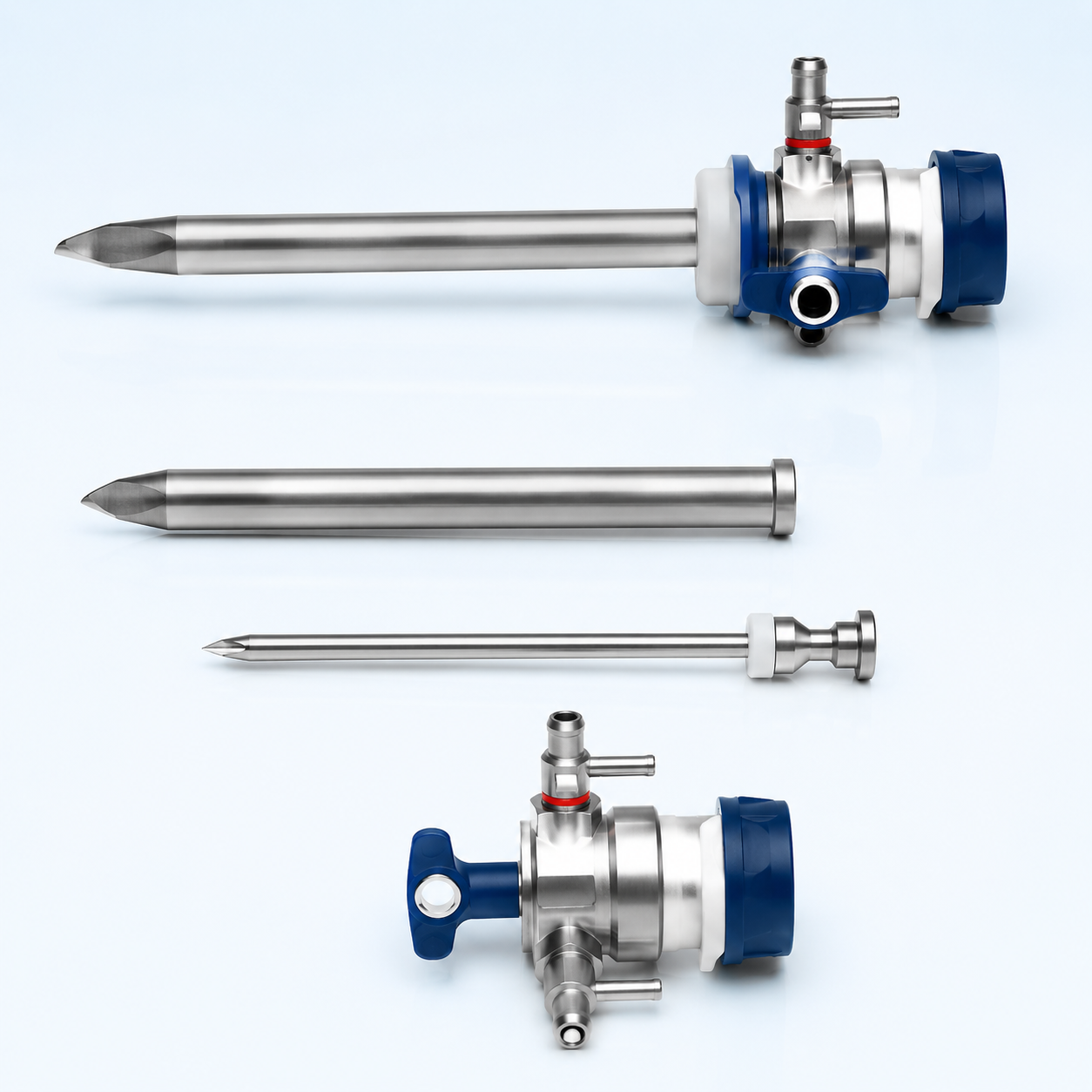
What Is a Laparoscopic Trocar?

Definition, visual anatomy, and standard selection parameters for laparoscopic trocar cannula purchasing.

Read Trocar Guide

Safety Trocar vs Regular Trocar

Compare shield protection, penetration forces, specification differences, and compliance criteria.

Review Specifications

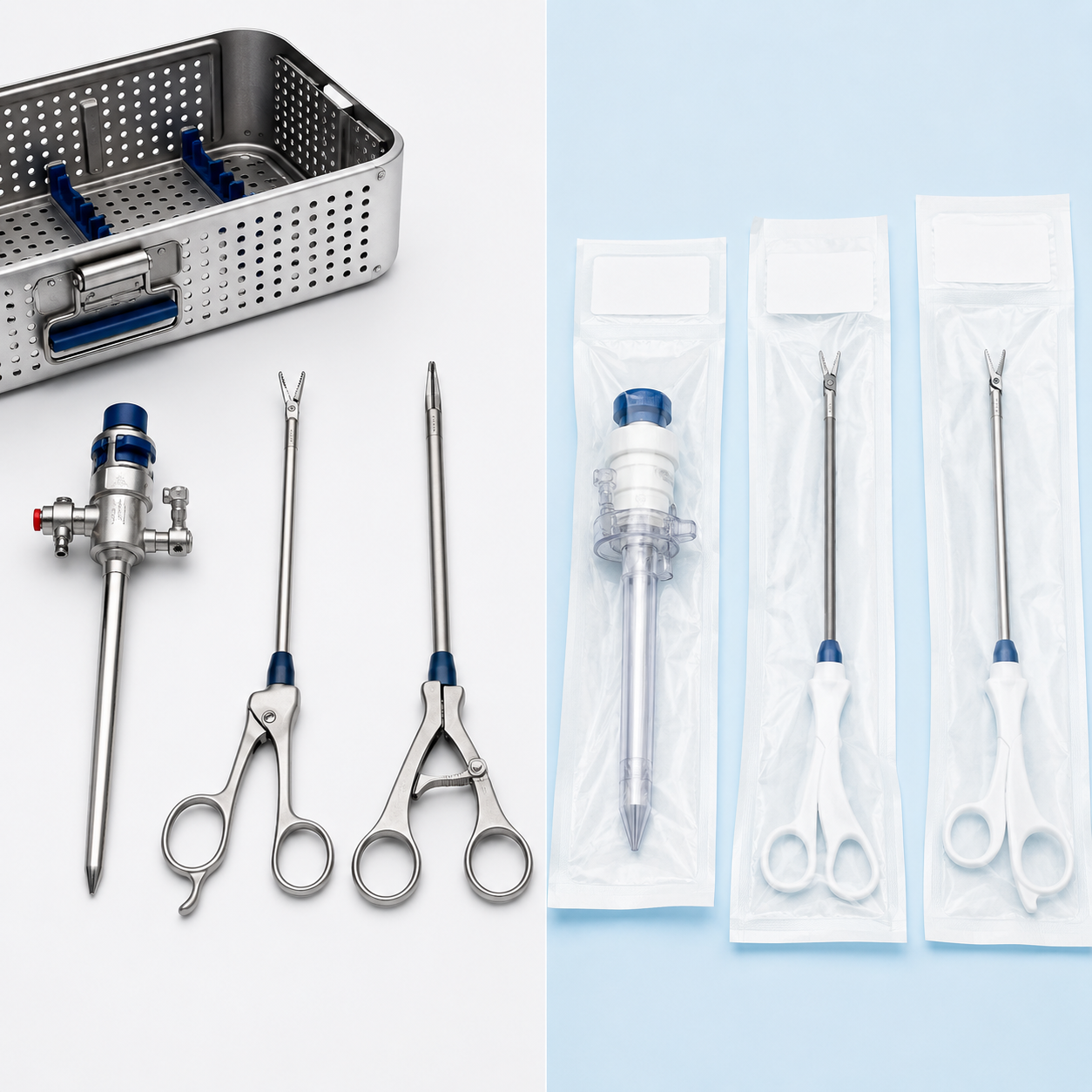
Reusable vs Disposable Instruments

Procurement economics, lifecycle parameters, sterilization details, and product-specific feasibility factors.

Request Cost Analysis

How to Choose a Laparoscopic Needle Holder

Detailed checklist: jaw pattern, diameter, length, and handle configurations (axial, pistol, straight).

View Needle Holders

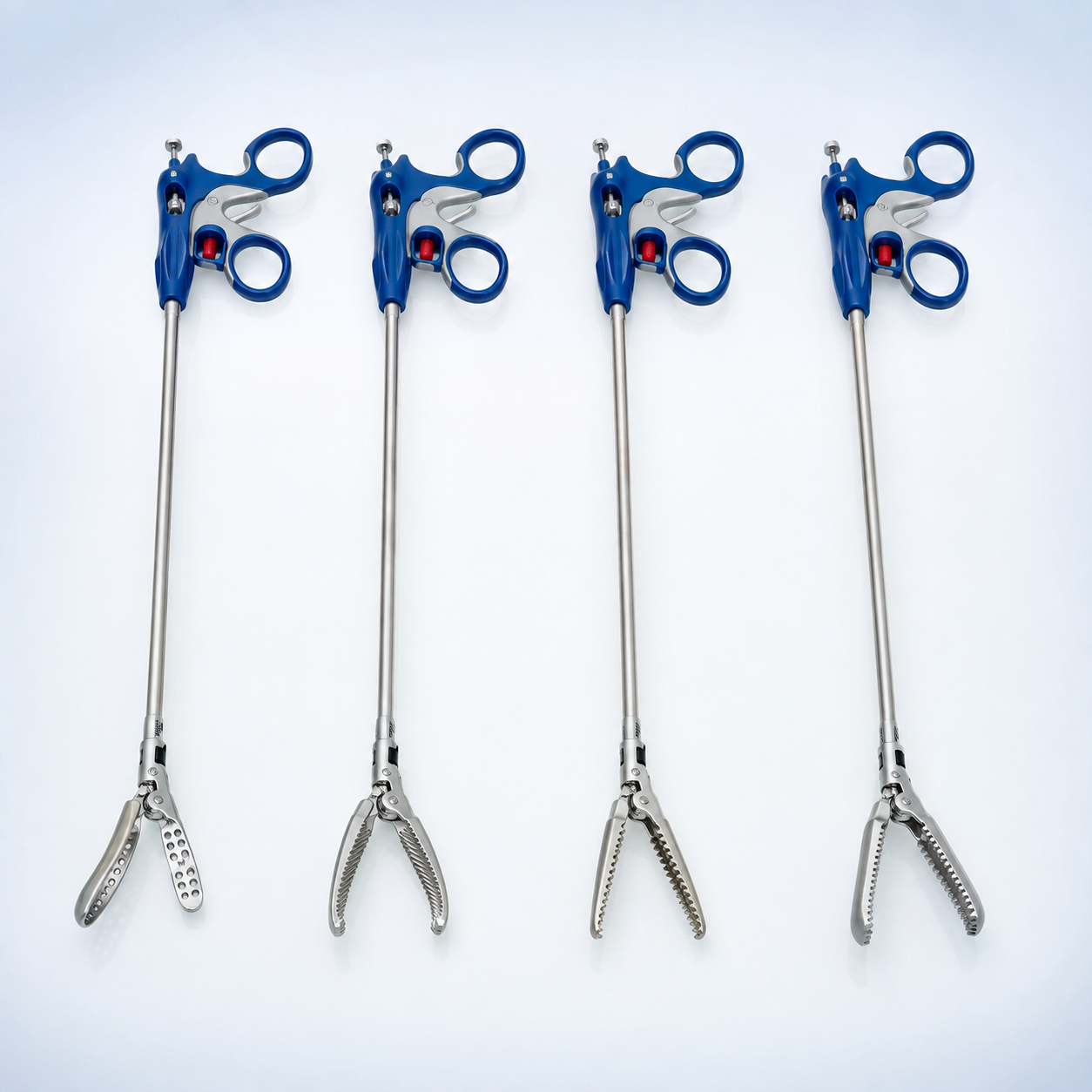
Types of Laparoscopic Graspers and Their Uses

Compare all 13 grasper types — atraumatic, bowel, Babcock, Johan, Maryland, toothed, claw, bipolar — with jaw features, diameter, length and RFQ checklist.

Read Graspers Guide

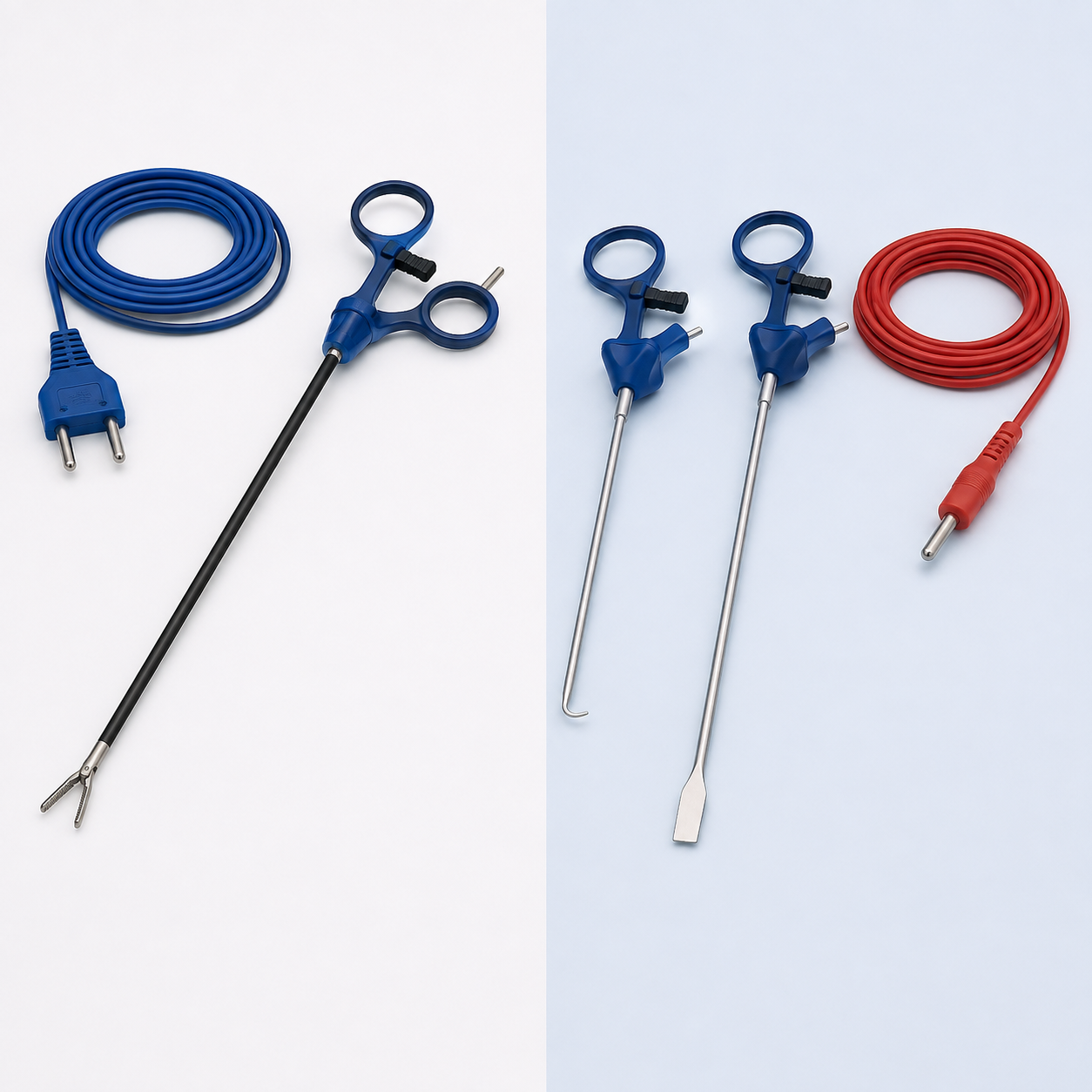
Bipolar vs Monopolar Instruments

Compare current paths, standard vs advanced bipolar, thermal spread risks, generator compatibility, and cable requirements.

Read Electrosurgery Guide

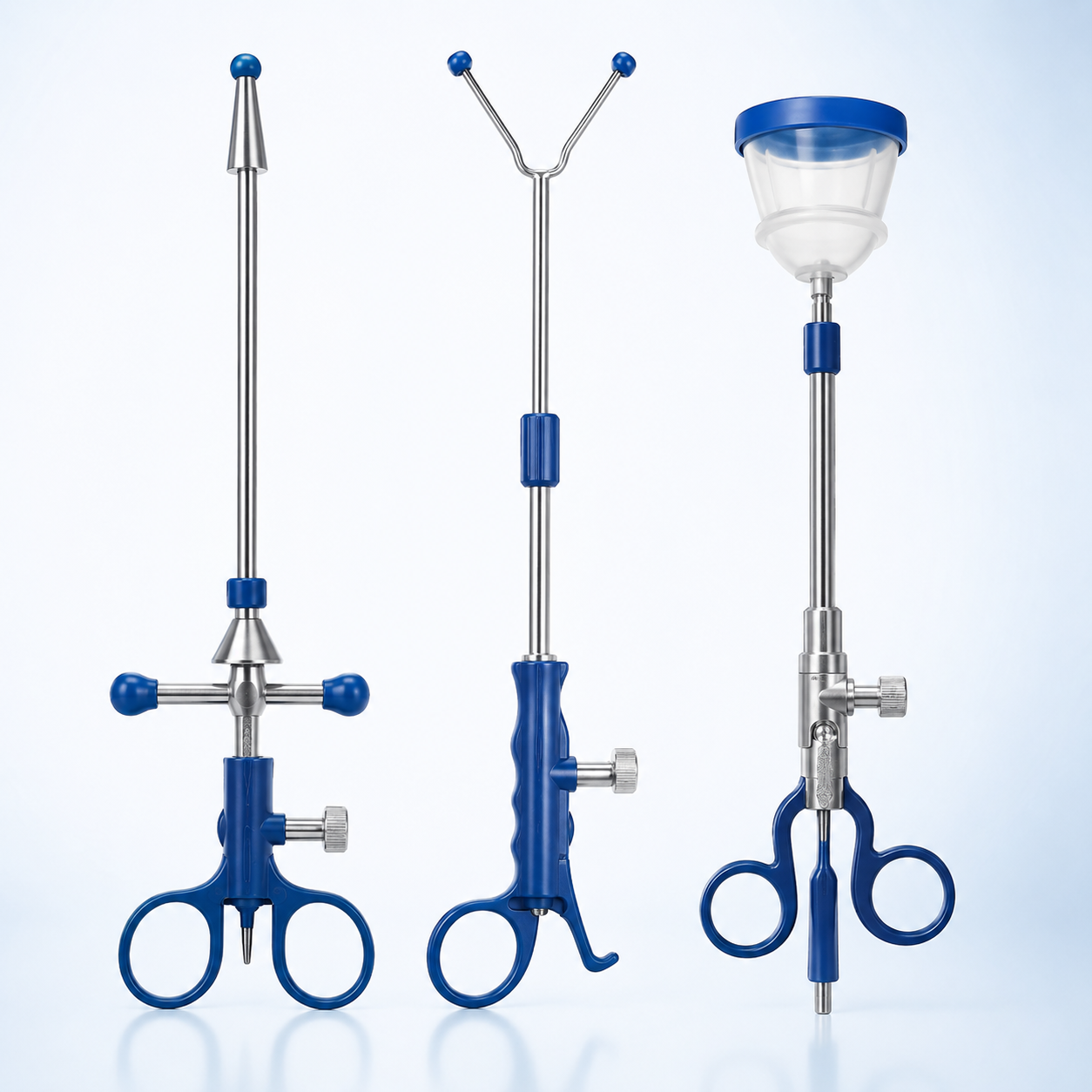
What Is a Uterine Manipulator and Which Type Is Best?

Compare reusable, disposable, articulating, injector and cup-based uterine manipulators by procedural requirements and sizing.

Read Manipulator Guide

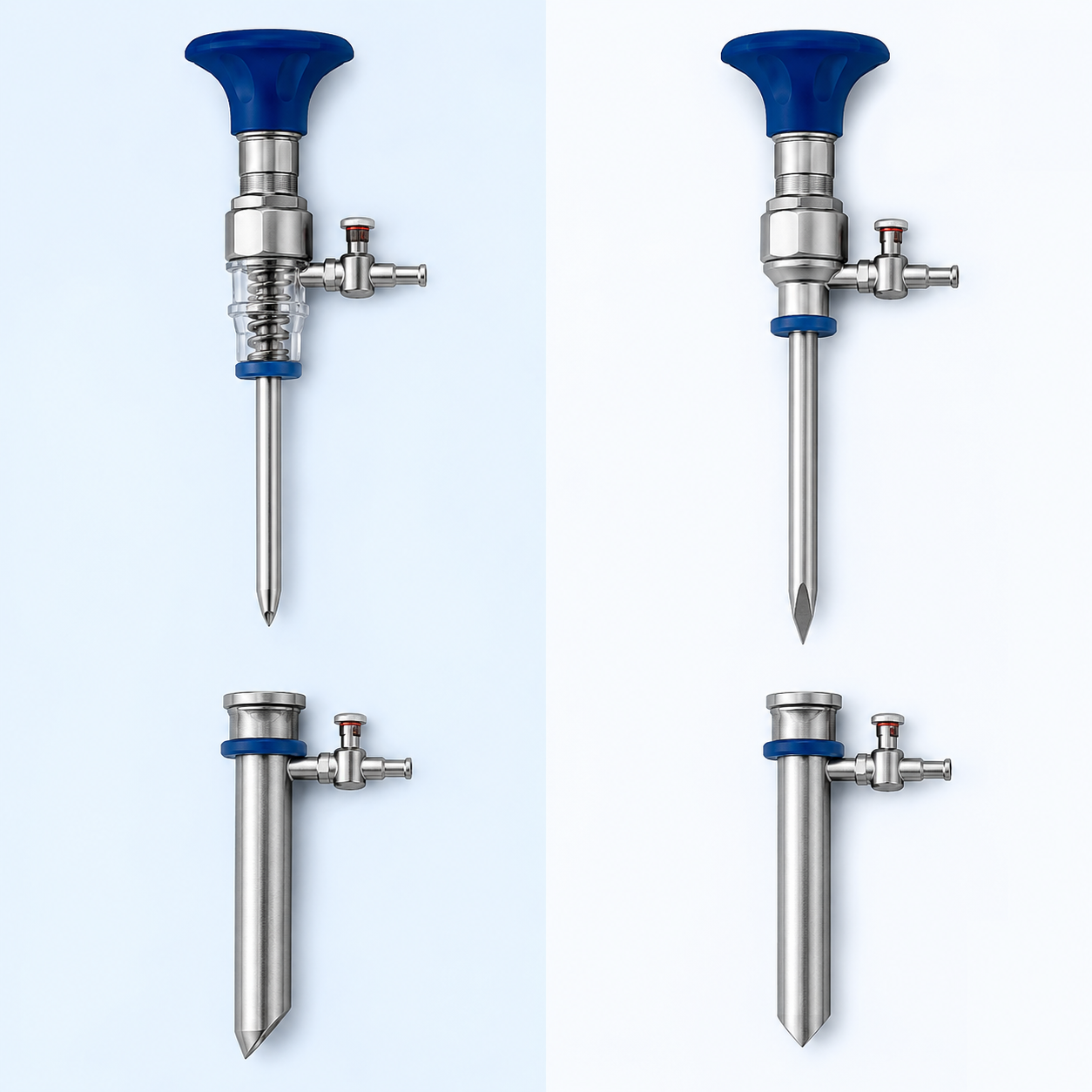
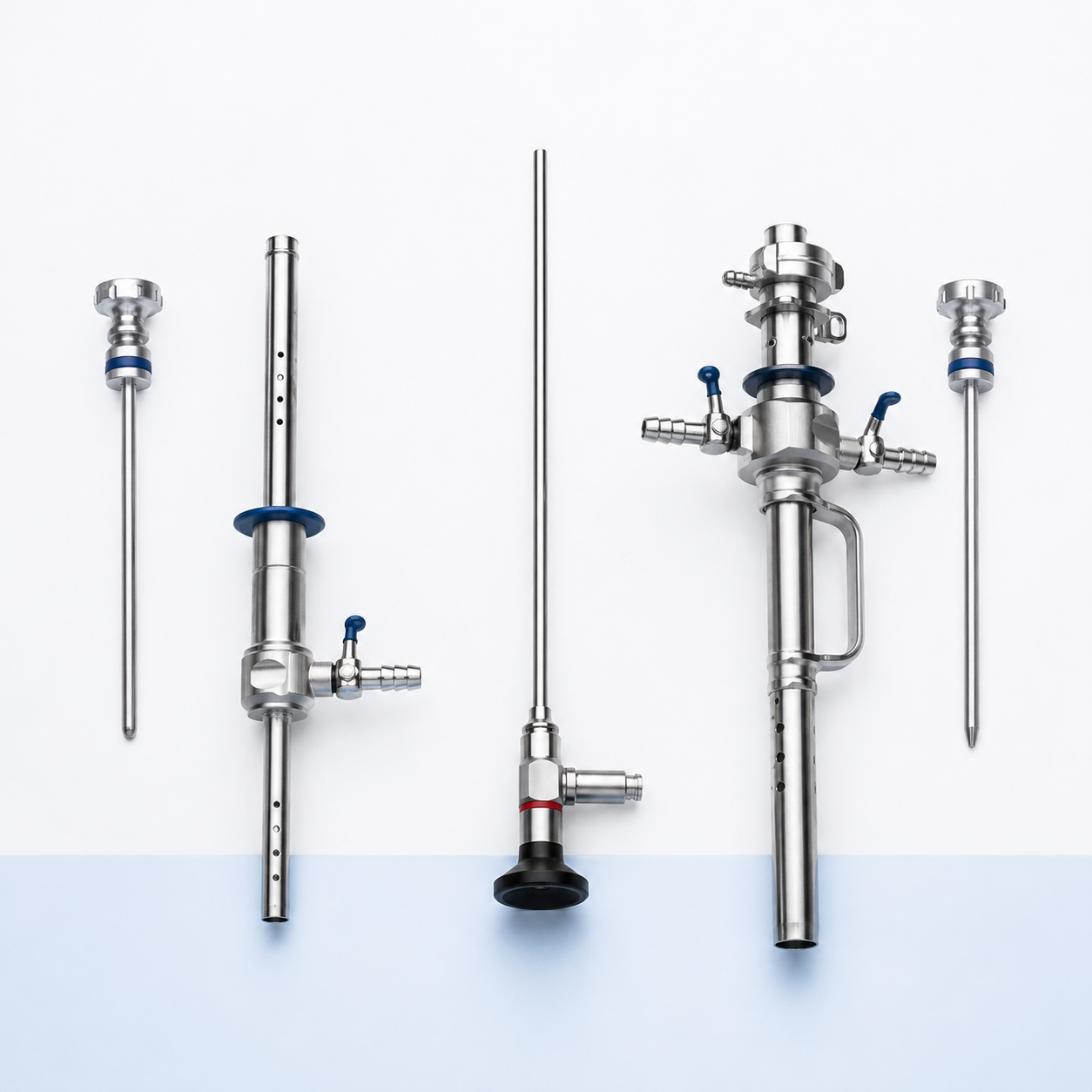
Diagnostic vs Operative Sheath in Hysteroscopy

Compare hysteroscopy sheaths by outer diameter, working channel size, flow channels, telescope compatibility and clinical uses.

Read Hysteroscopy Guide

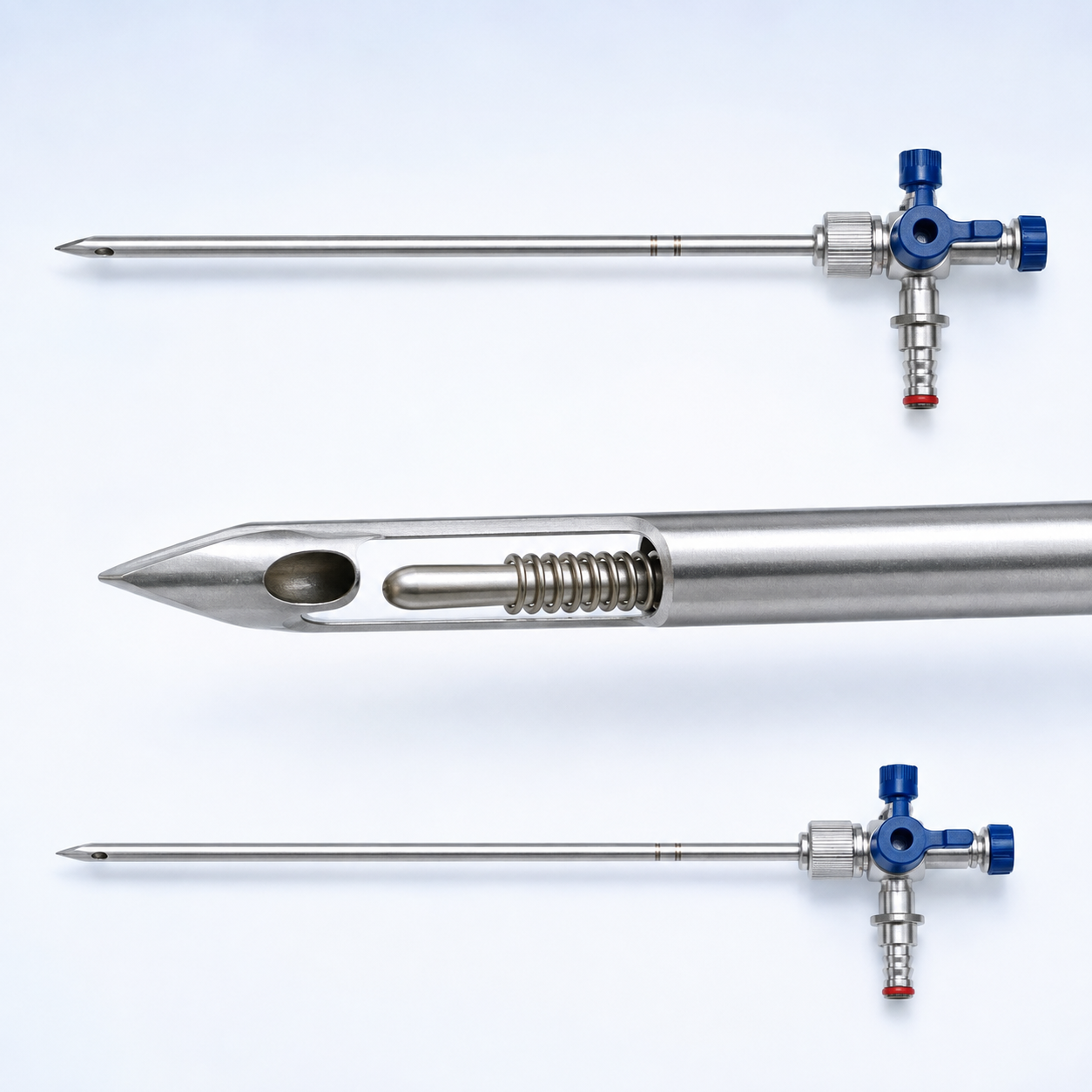
What Is a Veress Needle Used For?

Explanation of spring-loaded style, blunt style stylets, insuflation paths, lengths (120mm, 150mm), and RFQ selection.

Read Veress Guide

How to Buy Urology Instruments in India

Complete procurement guide covering system compatibilities (TURP/Cystoscopy), documentation, and custom configs.

Urology System Check

Endo Trainer Buying Guide

Guidelines for medical colleges and skills training labs. Separate training equipment from clinical-use items.

Request Lab Quote

Laparoscopic Repair Checklist

Detailed checklist for instrument assessment, insulation check, misalignment mapping, and functional service backup.

Review Repair Support

Top Surgical Instrument Questions Buyers Ask Before Ordering

FAQ-style comprehensive buyer resource capturing standard cross-category RFQ parameters, raw material certificates, lead times, delivery validation, and invoice processes.

Read Hub FAQs
Standardized Structure

Our Guide-to-Conversion Framework

Every guide on our platform is structured using these six key criteria to support correct procurement decisions.

1. Quick Answer

Provides the buyer with a direct, plain-English summary without burying the point in medical terminology.

2. When Buyers Need It

Identifies specific purchase scenarios, replacement demands, tender requirements, or department expansions.

3. Selection Fields

Lists size, length, pattern, connection, compatibility, material grades, supplied sterile status, and documents.

4. Mistakes to Avoid

Warns against ordering solely from catalog images, generic item descriptions, or assuming system compatibility.

5. RFQ Checklist

Converts structural guide parameters into a copy-paste format ready for buyer enquiry submission.

6. Internal Links

Connects buyers directly to catalog downloads, relevant product ranges, solution scopes, or WhatsApp/Email help.

Bharat Surgical Quality Publication Control Checklist
  • Sitemap Alignment: Buyer Guides URL and breadcrumbs conform perfectly to site hierarchy.
  • Evidence-Controlled Claims: No blanket compatibility, registration, or delivery-time overclaims.
  • Publish-Ready Content: Contains custom FAQs, unique link routings, and structured selection checklists.
  • Actionable Conversions: Contact buttons, WhatsApp hooks, and catalog request forms are verified.
Got Questions?

Buyer Hub Frequently Asked Questions

Find immediate answers to common operational questions regarding procurement guides.

It answers common procurement questions and helps buyers prepare complete surgical instrument enquiries.

They may include selection fields, but exact specifications should be confirmed on product pages and quotations.

No. They should focus on purchasing, compatibility, documentation and RFQ preparation.

They answer natural buyer questions that search engines and AI platforms often surface before a quotation decision.

Each guide should include enough real buyer questions to cover search intent, usually at least 15 where the topic supports it.

Yes. Every guide should lead to relevant product pages, solution pages or enquiry actions.

Only when facts are verified and trademark usage is handled carefully. Avoid unsupported brand compatibility or endorsement claims.

Use 'best for this requirement' only when criteria are defined. Avoid absolute best claims.

Product name, size, photos, compatibility details, quantity, documents, delivery city and buyer type.

The checklist guide can summarize repair assessment, but detailed repair enquiry should link to the Repair & Service Backup page.

Only if current product identity, availability, rights and specifications are confirmed.

Breadcrumb, Article and FAQ schema may be used. Product schema should be limited to verified product pages.

No. Use natural buyer education first, then route to Bharat Surgical quotation support.

Use clear question-led headings, concise direct answers, tables where useful and evidence-controlled claims.

Move the reader from confusion to a correct RFQ with specifications, compatibility details and documents.

Need Help Finding the Right Guide?

Not sure which guide matches your requirement? Send the product name, photo, existing instrument code, BOQ or department list. Bharat Surgical will help identify the closest category and the details needed for a correct quotation.