ISO 13485:2016 Certified
40+ Years of Excellence
600+ Products
Download Catalog
MANUFACTURER & SUPPLIER IN INDIA | B2B UROLOGY INSTRUMENTS

TURP Loops Manufacturer and Supplier in India

The TURP Loops from Bharat Surgical are electrosurgical electrodes designed for compatible transurethral resection systems used in urology. Depending on the selected configuration, the loop may support controlled cutting, resection, coagulation or vaporization of targeted tissue under endoscopic visualization.

Bharat Surgical manufactures and supplies monopolar and bipolar TURP electrodes, including cutting loops, Collins knife electrodes and ball electrodes. Buyers must confirm the energy system, working element, resectoscope, sheath, telescope, generator and connector before ordering because TURP electrodes are not universally interchangeable.

ISO 13485:2016 Certified
40+ Years Experience
Mumbai Warehousing
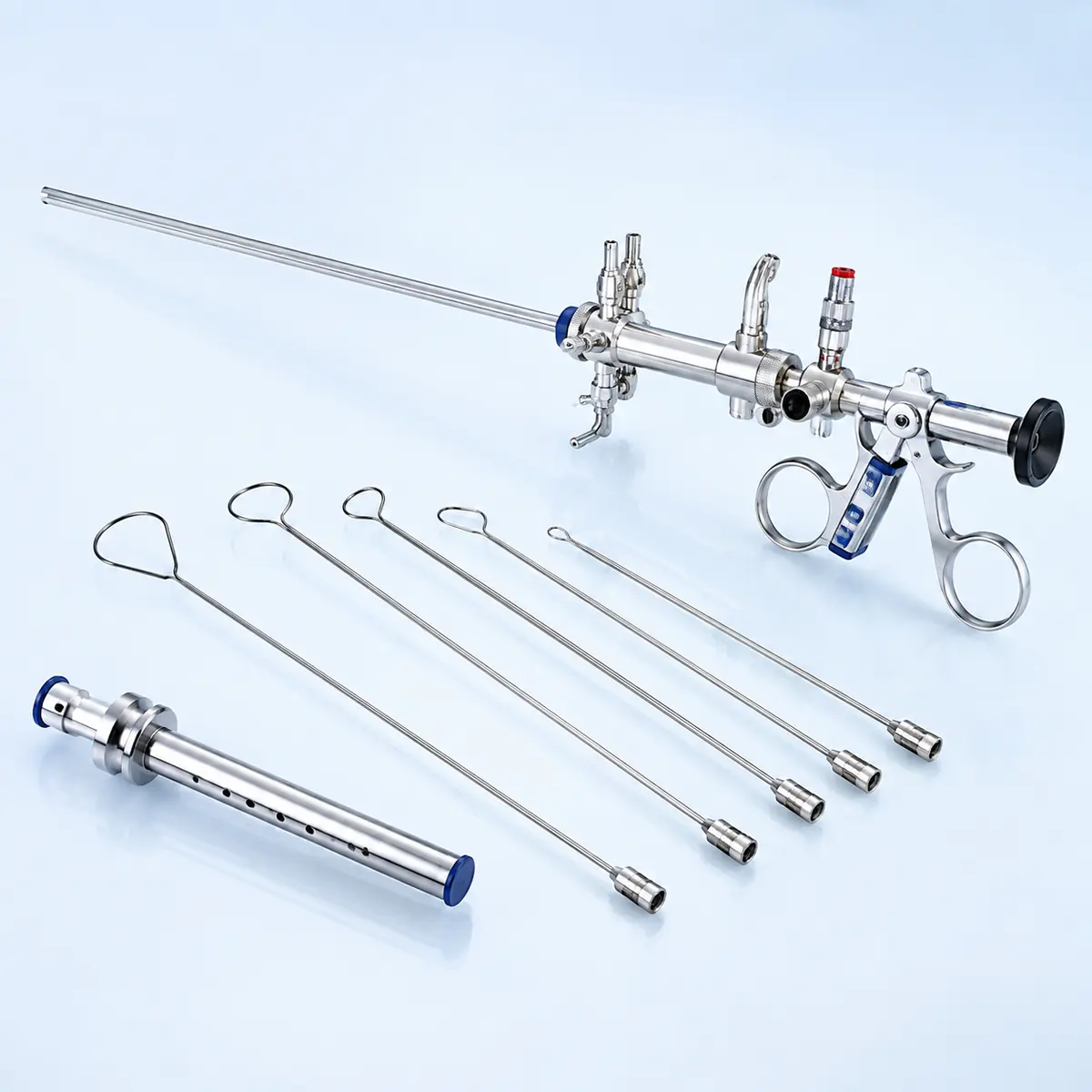
TURP Loops surgical instrument on a clean clinical blue background
Overview

What Is a TURP Loop?

A TURP loop is an electrosurgical electrode used through a compatible resectoscope during transurethral surgery. The distal wire loop or electrode profile delivers electrical energy to the target tissue while the working element moves it under direct endoscopic visualization.

A complete TURP system commonly includes:

Telescope
Inner and outer resectoscope sheaths
Obturator
Working element
Cutting or coagulation electrode
Electrosurgical cable and generator
Irrigation and fluid collection systems

The loop cannot be selected independently from this system.

TURP Loop Applications

Subject to the selected electrode and its approved instructions, TURP electrodes may be considered for:

Transurethral resection of the prostate
Resection of selected obstructive prostate tissue
Transurethral incision using a compatible knife electrode
Coagulation of selected bleeding points
Tissue vaporization using an approved electrode
Selected transurethral resection of bladder lesions and other approved endoscopic urology procedures

The exact application depends on electrode geometry, energy mode, working element and the surgeon’s clinical decision.

Specifications & Types

Types of TURP Electrodes and Technical Specifications

Types of TURP Electrodes

TURP Cutting Loop: Wire-loop profile designed for controlled tissue resection moved through target tissue using a compatible working element.

Collins Knife Electrode: Knife-shaped electrode used for selected endoscopic incision or tissue treatment.

Ball Electrode: Rounded electrode intended for coagulation, haemostasis or broader surface contact.

Roller Electrode & Vaporization Electrode: Rolling contact profile and broader distal configurations designed for selected coagulation or tissue vaporization.

Single-Stem vs Double-Stem: Support and connection arrangements that must match the working-element channel and electrical design.

Technical Specification Options

SpecificationAvailable or Configurable Detail
Product nameTURP Loops
Product categoryUrology electrosurgical electrodes
Energy optionsMonopolar and bipolar
Available profilesCutting loop, Collins knife and ball electrode confirmed for bipolar range
Monopolar system sizes2.9 mm and 4 mm telescope-system references listed
Distal materialConductive electrode material; exact alloy to be confirmed
ShaftInsulated construction required; material to be verified
Working lengthMust match the selected resectoscope
Working elementActive or passive compatibility required
Stem arrangementSingle or double stem depending on system
Sheath compatibilityConfirm resectoscope and sheath size
Telescope compatibility2.9 mm or 4 mm system, subject to model
Cable connectionConfirm connector and cable reference
GeneratorMonopolar or bipolar generator compatibility required
UsageReusable or single-use status must be confirmed
SterilizationObtain model-specific instructions
BrandBharat Surgical
Country of originIndia
Energy Systems

Monopolar vs Bipolar TURP Loops and Irrigation

Monopolar vs Bipolar TURP Loops

Selection factorMonopolar TURP loopBipolar TURP loop
Current pathThrough patient to remote return electrodeCompleted locally within the resectoscope system
Patient return padNormally requiredGenerally not part of the bipolar treatment circuit
Irrigation mediumApproved non-conductive mediumCommonly isotonic saline
Working elementMonopolar-compatibleBipolar-compatible
GeneratorMonopolar output requiredSystem-compatible bipolar output required
ConnectorMonopolar connector and cableBipolar connector and cable
Fluid concernDilutional hyponatremia and TUR syndrome possible with excessive hypotonic-fluid absorptionSaline overload remains possible
InterchangeabilityCannot replace a bipolar loopCannot replace a monopolar loop

Irrigation-Fluid Compatibility

Monopolar TURP: Requires a compatible non-conductive irrigation medium. Absorption of excessive hypotonic irrigation fluid can contribute to dilutional hyponatremia and TUR syndrome.

Bipolar TURP: Commonly uses isotonic normal saline. Saline reduces the risk of classic dilutional hyponatremia associated with monopolar TURP, but excessive absorption can still cause volume overload, pulmonary oedema, cardiac stress, and hyperchloremic metabolic acidosis. Fluid balance, irrigation pressure and procedure duration still require clinical monitoring.

Active vs Passive Working Elements

Active working elements use spring action and manual pressure to move the loop relative to the sheath, whereas passive working elements utilize a different spring-return arrangement. The loop must match the working element’s mechanism and direction.

Safety & Supply

Inspection, Safety Controls and B2B Supply

Preoperative Inspection & Safety Considerations

Inspect loop geometry, wire integrity, stems, insulation, connector and movement through the working element before use.

Potential Risks: Bleeding, urethral/bladder injury, prostatic capsular perforation, thermal injury, fluid absorption, hyponatremia, TUR syndrome, pad burns, alternate-site burns, electrode breakage, and insulation failure.

No informal straightening of bent loops should be performed for clinical reuse.

Cleaning and Reprocessing

Confirm reusability. Promptly pre-clean, prevent drying, clean with approved detergent without bending wire/stems, rinse thoroughly, dry completely, inspect under magnification, package, and sterilize using validated cycles.

B2B Supply & Information Required for Quotation

Bharat Surgical supplies monopolar cutting loops, bipolar cutting loops, Collins knife electrodes, ball electrodes, and resectoscope sets to hospitals, urology departments, dealers, and export buyers.

When requesting a quotation, please provide:

Product name: TURP Loop
Monopolar or bipolar system requirement
Required electrode profile (cutting loop, Collins knife, ball electrode)
Loop width and height / wire diameter
Overall working length and stem arrangement (single/double stem)
Working-element brand, model and mechanism (active/passive)
Resectoscope brand, model, sheath size and telescope diameter
Generator brand/model and cable reference
Reusable or single-use requirement and required quantity
Delivery destination and documentation/tender needs
Immediate Answers

Frequently Asked Questions

Technical, component, compatibility and safety answers for the Bharat Surgical TURP Loops range.

A TURP loop is an electrosurgical electrode used through a compatible resectoscope to cut or resect targeted tissue during transurethral surgery.

Yes. Bharat Surgical lists monopolar electrodes for 2.9 mm and 4 mm TURP system references.

Yes. Its current range includes bipolar cutting loops, Collins knife electrodes and ball electrodes.

A cutting loop is designed for controlled electrosurgical resection of selected tissue under direct endoscopic visualization.

It is a knife-shaped electrosurgical electrode used for selected transurethral incision or tissue-treatment applications.

A ball electrode is generally used for coagulation, haemostasis or broader surface treatment.

No. Energy path, connector, working element, irrigation medium and generator requirements differ.

Conventional monopolar TURP generally requires an approved non-conductive irrigation medium. Follow the system IFU.

Bipolar TURP systems commonly use normal saline, but compatibility must be confirmed for the specific system.

Yes, a compatible return electrode is normally required to complete the monopolar circuit.

A dedicated bipolar circuit generally completes current locally, but the generator’s instructions must be followed.

No. The working element, telescope, loop length, stem and connector must also match.

They commonly refer to the compatible telescope or resectoscope system. They should not be assumed to represent loop-wire or shaft diameter.

They use different manual and spring-return movements. The loop must match the working element’s mechanism and direction.

They use different support and connection arrangements. Stem number, spacing and electrical design must match the system.

No. Their dimensions, working lengths, clinical applications and system connections can differ.

Some models may be reusable and others single-use. The status must be confirmed for the ordered electrode.

No informal straightening should be performed for clinical reuse. Replace it or use an approved manufacturer repair process.

Inspect loop geometry, wire integrity, stems, insulation, connector and movement through the working element.

Provide the old reference number, energy type, working element, sheath, telescope, generator, cable, dimensions and clear photographs.

Medical and Procurement Disclaimer: Publish loop dimensions, working-element compatibility, reuse status, price, stock, certifications and branded compatibility only after confirmation through current Bharat Surgical documentation. Next Level 4 page: Bi-TURP Set.

Request a Quote for TURP Loops

Contact Bharat Surgical for monopolar cutting loops, bipolar cutting loops, Collins knife electrodes, ball electrodes, 2.9 mm and 4 mm system electrodes, single-stem and double-stem configurations, replacement TURP loops, hospital procurement, dealer/distributor supply, bulk orders, export requirements, and tender enquiries.